

Prime Video’s mystery-drama Hotel Costiera kicks off autumn’s first week of show premieres, joined by the return of FX’s English Teacher.
The six-episode Hotel Costiera stars Jesse Williams as Daniel De Luca, a former U.S. Marine who returns to his native Italy as a fixer for a luxurious hotel. Along with handling the problems of the hotel’s wealthy guests, De Luca also investigates the mysterious disappearance of one of the hotel owner’s daughters, according to the streaming service.
Directed by Emmy Award winner Adam Bernstein, Hotel Costiera also stars Maria Chiara Giannetta, Jordan Alexandra, Antonio Gerardi and Sam Haygarth.
Other shows debuting this week include:
FX’s English Teacher (returning series), premiering September 25
Brian Jordan Alvarez returns as a Texas English teacher who looks to manage the actions and behaviors of high school students while navigating the expectations of his own life.
Netflix’s House of Guinness (drama series), premiering September 25
The period drama revolves around the death of Benjamin Guinness, founder of the Guinness Brewery, and the fate of his four children.
Netflix’s Wayward (drama series), premiering September 25
The eight-episode mystery series starring Mae Martin and Toni Collette explores unsettling events at a Vermont teen reform school.
Hulu’s Chad Powers (comedy series), premiering September 30
Glen Powell stars as a disgraced college quarterback who, years later, disguises himself as a walk-on player for a struggling college football program.
Triple Play Q&A With Free Live Sports President Cathy Rasenberger
A bi-weekly column posing three questions to the most influential voices in today’s TV sports scene
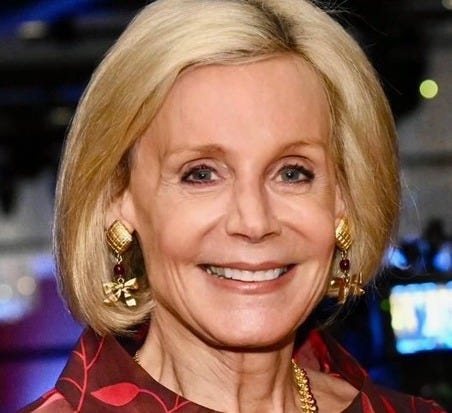
Sports programming on Free Ad-Supported Streaming Television (FAST) channels is surging. According to a recent Gracenote report, the number of sports-focused FAST channels grew nearly 14% in the first half of 2025, surpassing 220 and spanning major leagues as well as niche sports content.
Leading the way in FAST sports programming space is Free Live Sports (FLS), which provides viewers with over 120 sports channels and more than 1,000 hours of on-demand content—all free of charge. FLS President Cathy Rasenberger shares insights on the company’s growth and the future of sports content on the rapidly expanding FAST platform.
Why has the FAST platform become such as major play for pro leagues and other sports rights holders?
I think that FAST is part of the fabric of distribution for sports leagues. A couple years ago, most of the leagues were very tentative about stepping into FAST because they did not want to jeopardize their premier live content rights. Now, every single one of the leagues has a streaming strategy and a FAST strategy, and it’s part of the overall fabric of their distribution plan. There’s no longer one single vehicle for which to distribute your content. You need to be ubiquitous in your distribution strategy because there are different types of viewers for every single platform, and FAST channels are becoming increasingly dominant in many viewers’ television habits.
Given the continual rise in price of subscription streaming services, how beneficial are FAST channels to the sports fan who wants to consume content from their favorite sports without paying a high price for it?
Viewers are tired of the high subscription prices, and I think they’re looking for free alternatives. There’s a huge tolerance now for ad-supported content if they don’t have to pay a subscription price. There’s a large group of young viewers who will never pay for content; they never subscribed to cable, and they don’t like paying high subscription fees, so they’re more likely to lean into free, ad-supported streaming, particularly for sports.
How do you see FLS and the FAST platform filling the void for sports fans looking for quality, free content?

So, the projections are that $12.5 billion is going to be spent this year on streaming sports content, so I think there’s going to be huge competition for the premier live events. But we started to see more live content on FAST platforms earlier this year when Tubi streamed the Super Bowl live. It’s my belief and strategy that there’s a huge audience for secondary live events as well, which are not as expensive. Also, there are fan bases for the major leagues that will want to watch content after the season is over, so they’re going to look for non-live and VOD content that appeals to them.